
Food on German submarines in the Third Reich
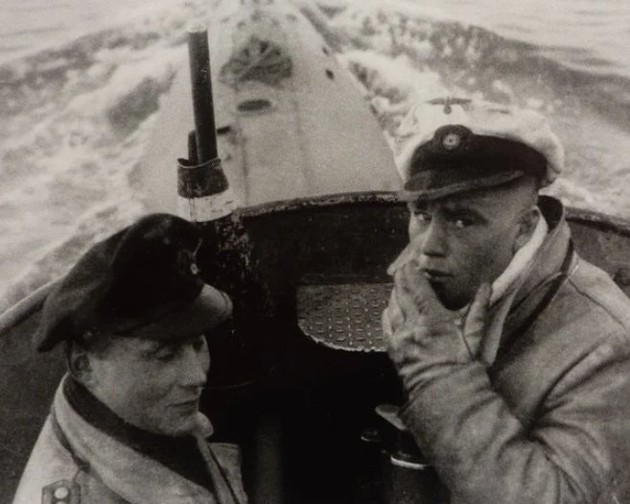
The balanced nutrition of the submarine crews was of paramount importance to the Kriegsmarine command. The food rations of the submarines were among the best in the entire armed forces of the Third Reich. Efforts had to be made to ensure that the diet was healthy and varied. Achieving this goal was not easy. Not only were there difficulties with the supply, but probably most of all… technical difficulties.
The designers of the German submarines did not think about the tastes of the crew members. During the planning and construction phase, there was neither sufficient space to store food, nor even sufficiently spacious and equipped rooms for cooking. As a result, the crews were forced to constantly improvise.
On the VIIC submarines, which formed the backbone of the German submarine fleet throughout the war, the galley was located in the stern of the ship. The cook had at his disposal an electric stove with two burners, a small oven, a tiny refrigerator, a pantry, and an enamel sink. According to the memoirs of one submariner, the place for storing food was so small that provisions were „clogged“ everywhere possible: „Smoked ham, thick sausages and other meat products were placed between the torpedo tubes, bread hung in nets from the ceiling of the cabin.“
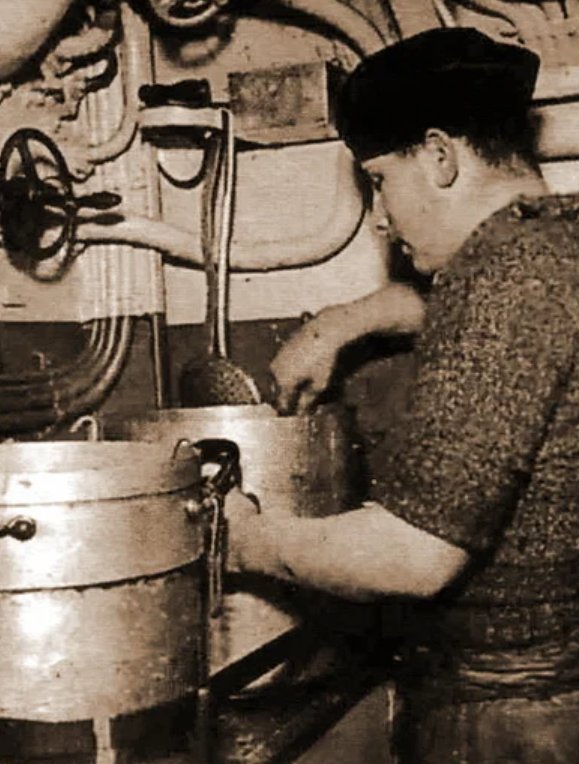
Cook on a German U-boat cookingThings were no better on the IXC U-boats. Such a boat, which went on a three-month voyage, took on board 12,583 kilograms of food and drink:
– 224 kg of raw and cooked meat (recommended storage location: refrigerator),
– 108 kg of sausages,
– 2180.5 kg of canned meat,
– 151.5 kg of smoked and salted fish,
– 1750 kg of potatoes (recommended storage: bow and aft compartment and boxes in the headquarters),
– 1555 kg of other vegetables and vegetables (recommended storage: bow compartment and refrigerator),
– 416 kg (13 boxes) of lemons (recommended storage: bow compartment),
– 300 kg of fresh fruit,
– 270 kg (10 boxes) of fresh eggs (recommended storage: bow compartment),
– 456 kg of fresh bread (recommended storage: bow, aft compartments and electric motor compartment),
– 660 kg of canned food,
– 50 kg of butter,
– 50 kg of fresh cheese,
– 65 kg of canned cheese,
– 60 kg of natural coffee and coffee substitute,
– 3 kg of tea,
– 784 kg (8 boxes) of milk powder.
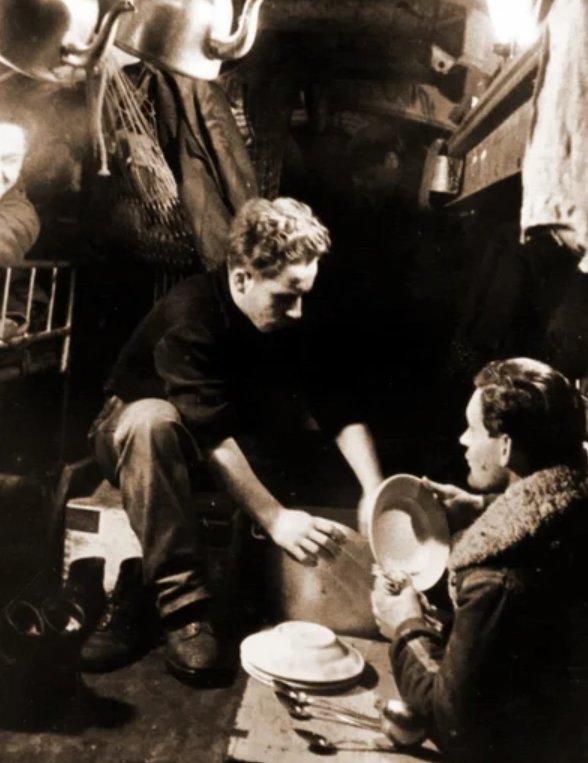
German submariners prepare for a meal
A rich assortment of products gave the cook the opportunity to show his talent. So what did the submariners eat during combat patrols? Breakfast usually consisted of cocoa, milk soup, boiled eggs, and sweet breadcrumbs with butter or jam. As for lunch and dinner, during the six-week voyage of the submarine U-518, the list of dishes served was as follows:
Day 1. Lunch: soup, boiled potatoes, liver, fresh fruits.
Dinner: black pudding, cold cuts, bread, butter, coffee.
Day 7. Lunch: fried sausage, potatoes, sauce, cabbage, fresh fruit.
Dinner: herring salad, boiled pork and beef sausage, bread, butter, coffee.
Day 14. Lunch: soup, spinach with egg, potatoes, pickled fruit salad.
Dinner: ham, radish, bread, butter, canned rosehip juice.
21 days. Lunch: soup, boiled ham with noodles, sauce, pudding with juice
Dinner: broth with noodles, cold cuts, bread, butter, canned apple juice.
Day 28. Lunch: potato salad, scrambled eggs, canned compote.
Dinner: pasta with ham, tomato sauce, canned rosehip juice
Day 35. Lunch: soup, meat with onions, potatoes, sauce, vegetables, pumpkin with juice.
Dinner: ham, hard-boiled eggs, bread, butter, cocoa.
Day 42. Lunch: Bean stew with beef and pork.
Dinner: „Bigos in wine“ (i.e. what the cook still has left on the last day of the hike).
Obviously, at the initial stage of the campaign, the submariners had practically nothing to complain about. However, as time went on, the food became more and more monotonous and was mostly based on the contents of tin cans.
Be that as it may, the submariners considered themselves happy when it came to food. And rightly so. Even in an era of severe food shortages, the Kriegsmarine command did not cease to give preference to the crews of the „wolf packs“ that so effectively sank Allied convoys.>