
How many German submarines were left after the end of World War II, and what was decided to do with them?
German submarines literally terrified the sailors of the Allied countries during World War II. They won countless victories, victories that were sometimes brilliant and sometimes treacherous and dastardly (attacks on hospital ships). One way or another, the Second World War ended in defeat for Nazi Germany, and the question arose of what to do with the German submarines. In total, in May 1945, the defeated Germans had 156 submarines.
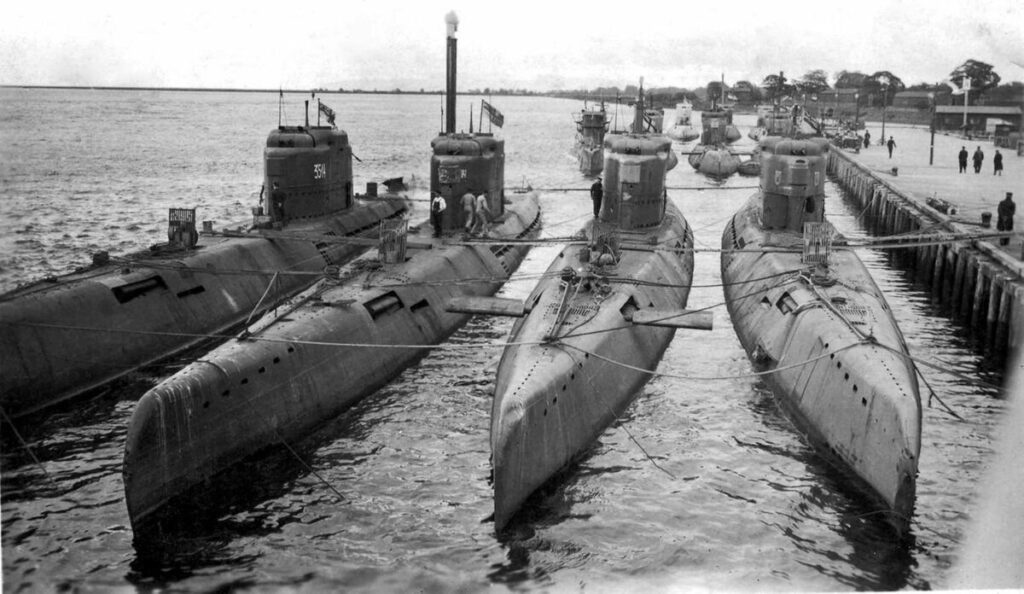
In July-August 1945, the famous Potsdam Conference was held, which was attended by representatives of three countries – the USSR, the USA and Britain. At that time, the fate of the German submarines was not fully decided, the issue hung in the air, and therefore, in October of the same year, a new trilateral meeting took place, at which an agreement was reached.
It was decided that out of 156 submarines, 30 of the newest and most interesting would be selected, divided and handed over to the victorious countries. Thus, 10 submarines were received by the Soviet Union, 10 by the Americans, and another 10 by the British. Of the remaining 126 submarines, 10 were in an extremely deplorable condition at various bases – they could not go anywhere under their own power due to damage received in the war. It was decided to cut these boats into metal. But the 116 remaining submarines were to take part in their last operation – Operation Deadlight (25.11.1945 – 12.02.1946), conducted by the forces of the British Navy.
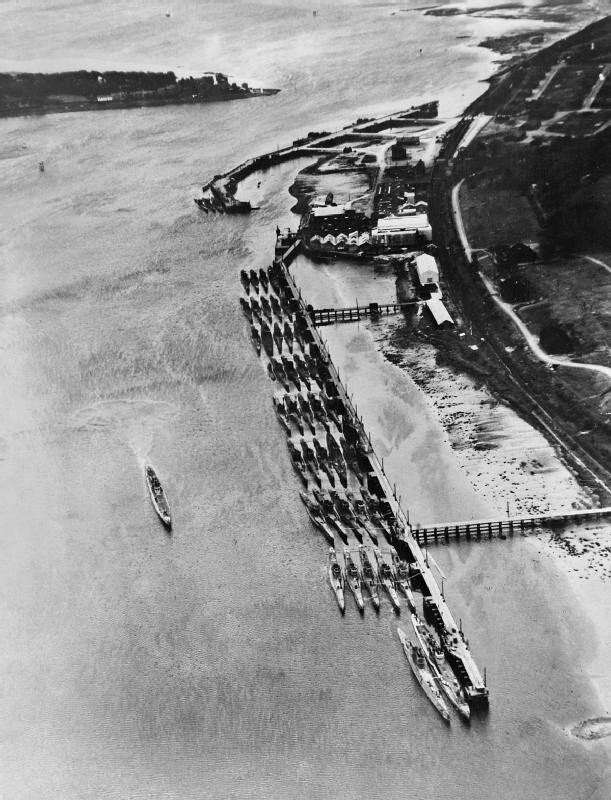
German submarines in Lisaholly, Ireland. Photo source:
So, what kind of operation was it? The German submarines were divided into two groups, one of which went to Northern Ireland, to Lisaholly Bay, and the other moved to the coast of Scotland, to Loch Ryan. After that, the boats began to be towed to a point located about 160 miles off the coast of Ireland. Some submarines were simply sunk at this point, while others were practiced by Royal Navy sailors as well as British aircraft. Perhaps the British would have continued to have this kind of fun, but a storm broke out and about 50 submarines sank without any help, on their own.
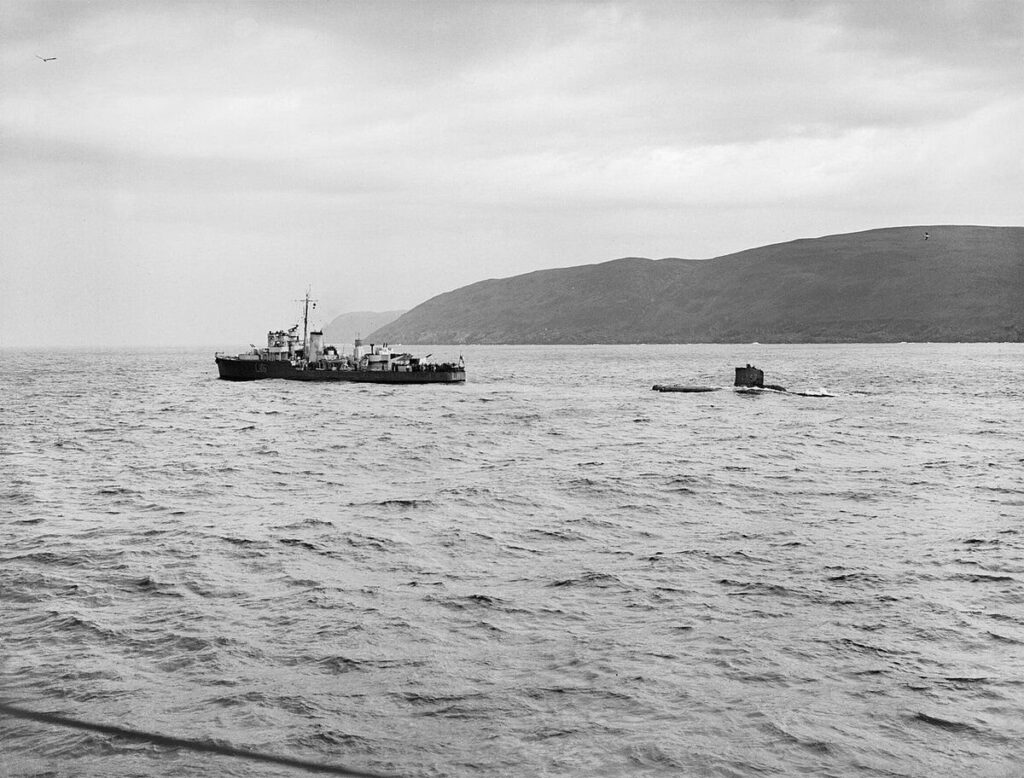
In this image, a Polish ship (yes, the Poles also participated) is towing a boat to the sinking site. Photo source:
And yet, a small miracle happened – out of all these doomed submarines, 2 survived. One of them now stands as a monument on the coast of the German city of Labe, and the other is exhibited as an exhibit in the museum of the American city of Chicago.