
Secrets of delicious lend-lease stew
During the Great Patriotic War, 2 billion 77 million cans of canned meat were delivered to the Soviet Union under Lend-Lease. According to rough estimates, this means that starting from 1942, the Red Army’s needs for canned meat were covered by 80% of Lend-Lease.
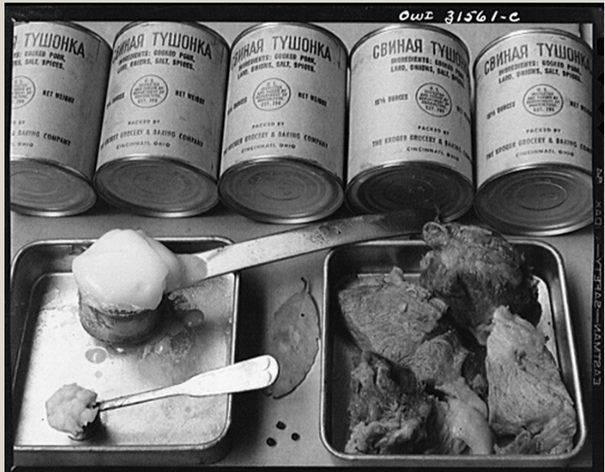
According to the memoirs of veterans, during the Great Patriotic War, there was nothing tastier than the „second front“, as the Red Army called canned meat supplied under Lend-Lease.
Jenny Lee Smith, an assistant professor of history at the Georgia Institute of Technology, explains in her article „Stew: Nurturing Soviet Postwar Taste“ why pork stew has become so widespread:
„During World War II, America shipped more pigs than soldiers, in part because pork was in abundance in America in the early 1940s. Sending meat to starving soldiers and civilians in war-torn countries was an effective way to get the U.S. meat industry running, which had been in decline throughout the 1930s.
According to the Soviet recipe, the first Lend-Lease cans of stew were made in the heart of the American Midwest, at meat processing plants in Iowa and Ohio.
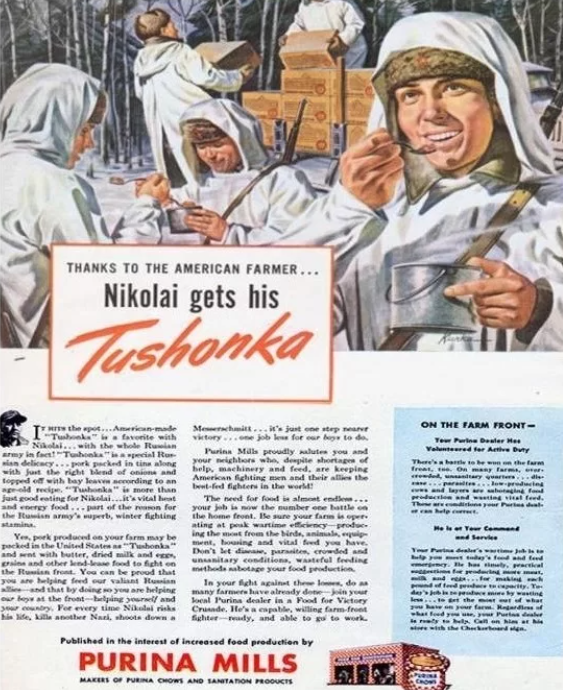
So, in the United States itself, before the start of Soviet orders, stew was unheard of, and the taste that it had was precisely thanks to the Soviet recipe and the Soviet GOST.
What were the requirements for pork stew GOST 697-41, which was in force at that time?
In production, it was allowed to use cooled, chilled or frozen pork, as well as raw pork fat or rendered edible pork fat. At the same time, carcasses of boars, carcasses of pigs weighing less than 35 kg, as well as pork twice frozen were not allowed for the manufacture of canned food.
Fresh or dried onions, bay leaves, black or red pepper were used as spices. And, of course, table salt. At the same time, the spices had to be at least 1st grade. No other ingredients were allowed in the stew.
Pork to be placed in cans must be separated from fat, bones, cartilage, coarse tendons, coarse connective tissue membranes and large sheaths, i.e. things that can now be found in abundance in many cans of stew produced today.
According to the recipe, the mass fraction of meat should have been at least 59%, and fat should have been at least 10.5%, i.e. meat could account for 59% to 86.5%, and fat for 10.5% to 38%.
Let’s consider the technological process of production of American stew using the example of the Kroger company, from the city of Cincinnati, Ohio.
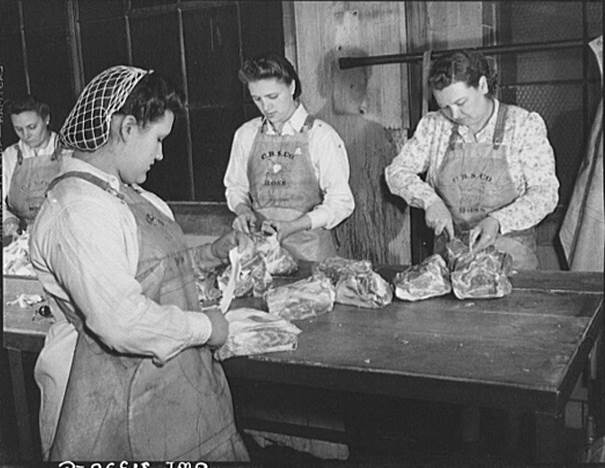
It began with cleaning the carcass, cutting, deboning and sinewing the meat. The meat was then cut into pieces. The size of the pieces depended on the packaging container. The larger the can, the larger the pieces of meat.
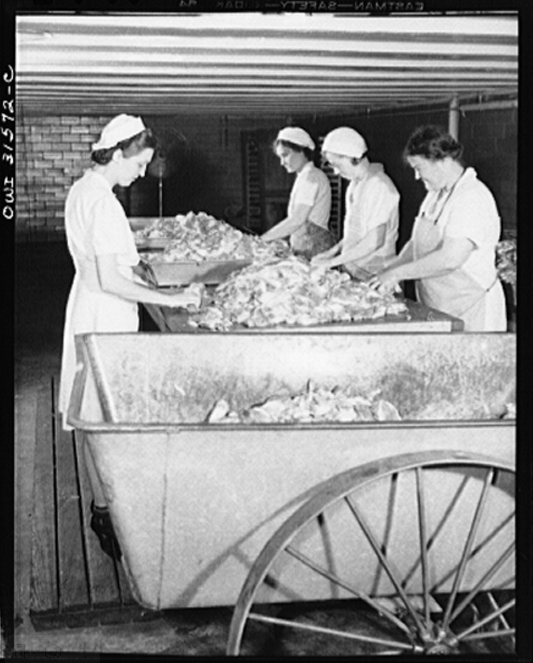
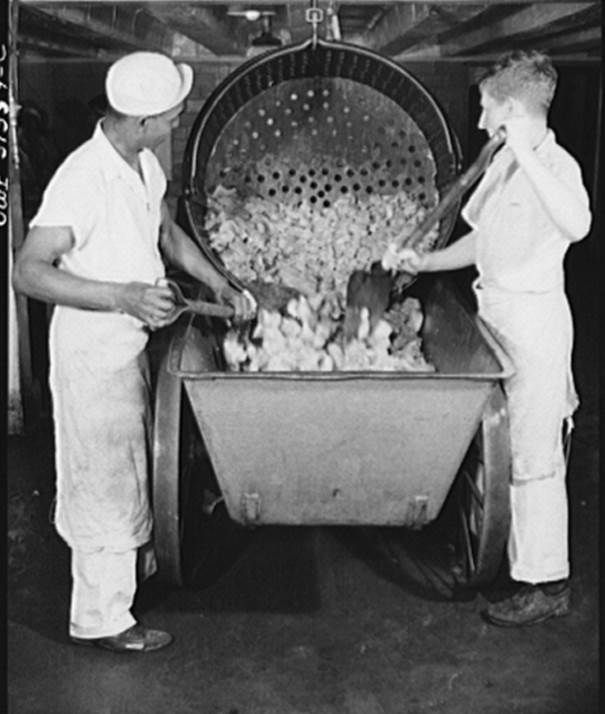
After slicing, the meat was sent for heat treatment, which achieved its shrinkage of 20%. The duration of the heat treatment was 8 minutes at a temperature of 80 degrees Celsius.
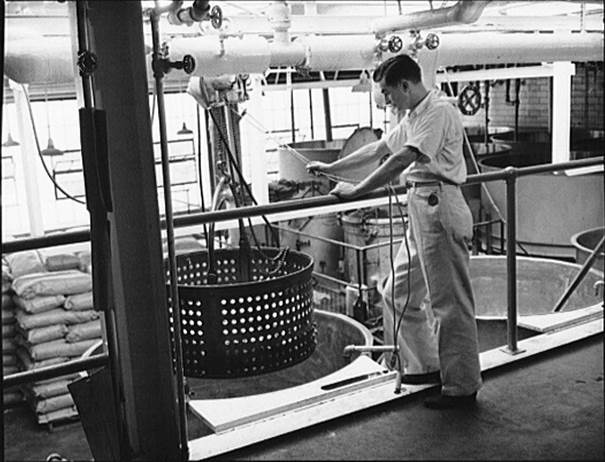
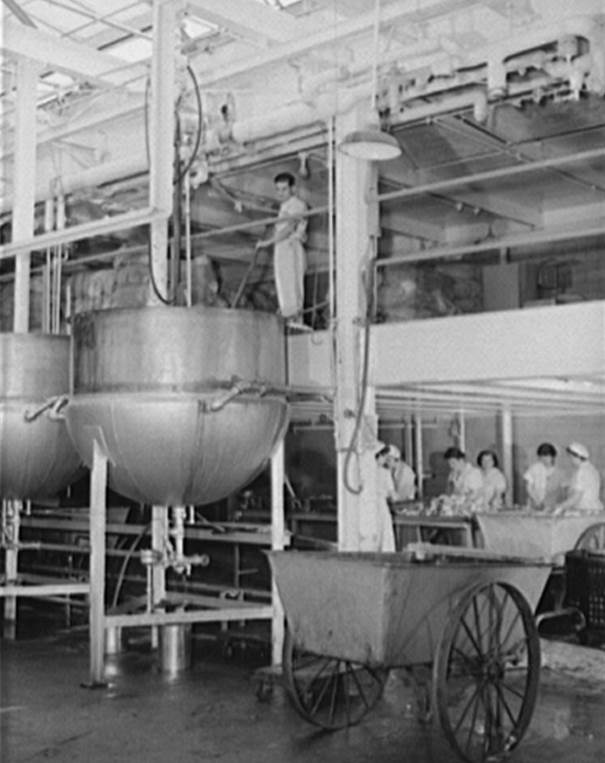
At the end of this operation, the meat was fed to the packaging line. Packaging was carried out by hand, bay leaves, a mixture of salt and pepper, onions, fat, and meat were put into the jars.
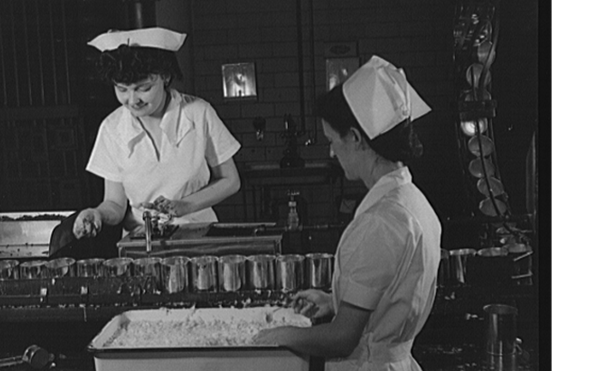
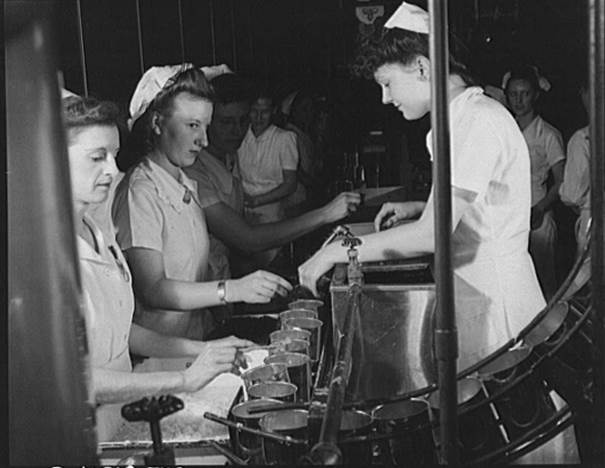
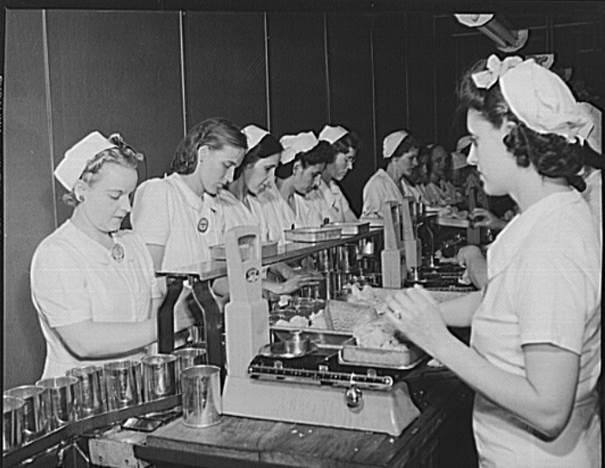
After that, the jars were sent to seamers and then to the chamber for sterilization. Sterilization lasted 2.5 hours at a temperature of about 120 degrees Celsius.
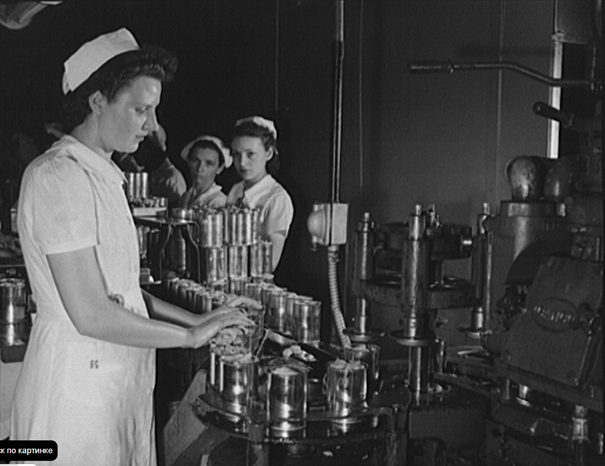
After sterilization, quality control took place, then packaging and shipment to the warehouse of finished products.
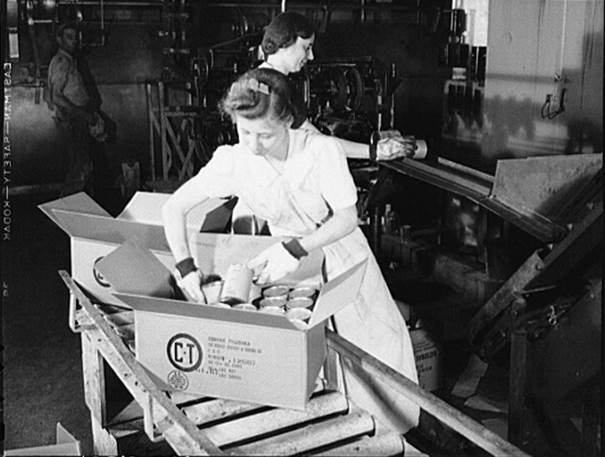
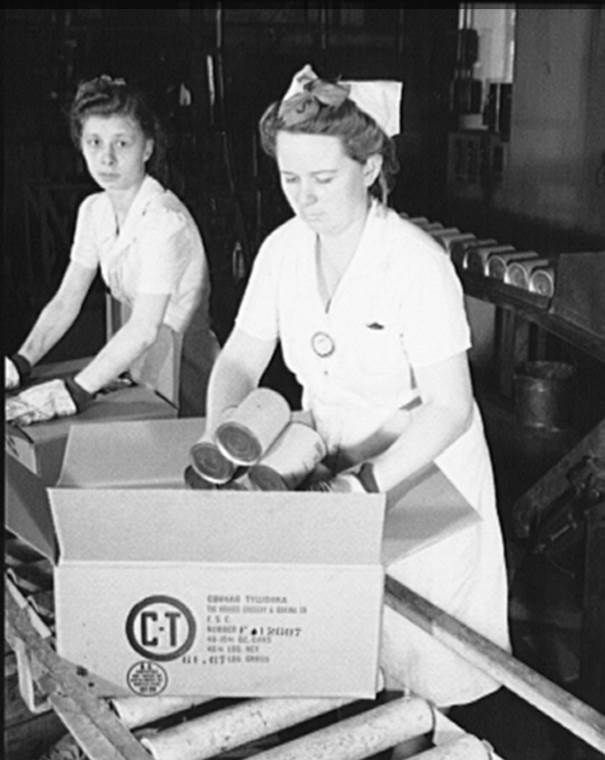
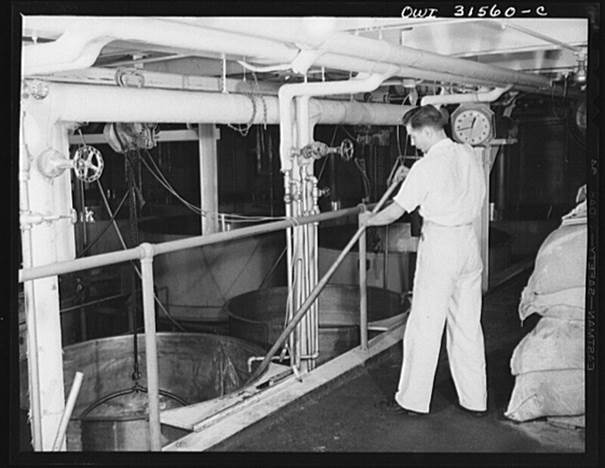
That’s pretty much the whole technology.
At the same time, the resulting products, made without violating the technology, had an excellent taste.
Front-line soldier life is harsh, and providing food for a multi-million army is no less difficult than conducting a front-line operation.
The food rations in the Red Army corresponded to the daily needs of the body. But theoretical calculations sometimes had a remote connection with reality. Everything depended on many factors: where the field kitchen was located, where the front was located, whether the food arrived on time, which of the suppliers stole and how much.
At the same time, in the reports on inspections of field kitchens, it was often recorded: „Food is prepared monotonously, mainly from food concentrates…. It is delivered to the fighters in cold form.“
In general, the soldiers‘ cuisine did not differ in gastronomic delights and abundance, so the soldiers always met the stew with joy. It was a kind of army delicacy.
It is not surprising that at that time this delicious, high-calorie product was forever remembered by the soldiers. And since almost all the stew at the front was American-made, and many soldiers hardly tried it even in peacetime, so it was remembered as a very tasty American product and hardly any of them knew that it was made according to Soviet recipes and technologies.
Stew was usually issued in the form of NC, when during the combat operation it was not possible to provide food to the units from the field kitchens.
As Pavel Syutkin, PhD in History, author of books on Russian cuisine, said: „Stewed meat has become as much a symbol of our military life as triangle letters, a pot of porridge or a makhorka.“
The war was over, and the canned meat supplied under Lend-Lease was stored for a long time in the warehouses of the state reserve, therefore, from time to time, after being removed from storage, it could end up on the tables of ordinary citizens.