
10 Bright Polish Words Through Which It Is Easy to Understand the Culture and Mentality of Poland
The history of each country has a direct impact on the formation of its language. Various events and changes in the lives of citizens entail a change in the meaning of words, the emergence of dialects or the emergence of completely new words that have no analogues in the languages of other countries. Such processes have not bypassed the Polish language, which is rich in many interesting words and their combinations.
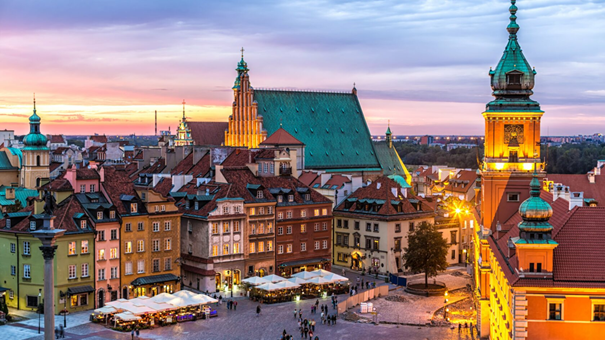
Jakoś to będzie
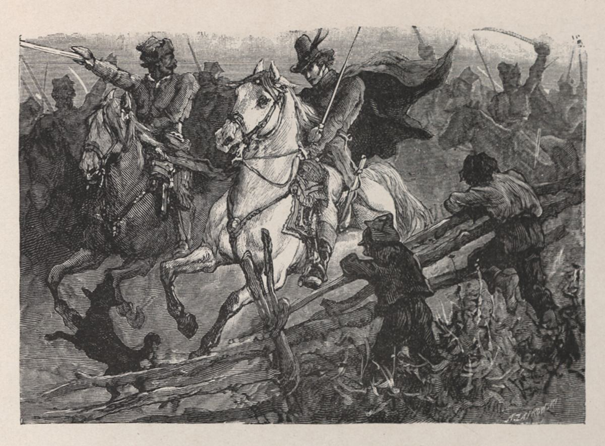
There are many meanings of this phrase, but they all have two almost similar meanings – „whatever happens“ / „somehow it will work out on its own“ or „we will do it against all odds“. This phrase, according to the Poles themselves, clearly describes their national character: they like to take risks and prefer spontaneous actions to a carefully calibrated plan.
Bar mleczny
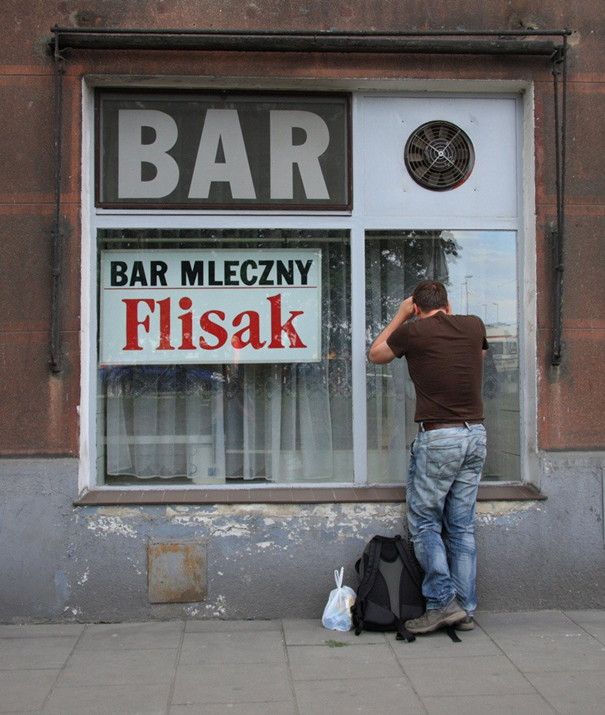
For Poles, the Milk Bar is an inexpensive canteen serving traditional Polish cuisine. The history of the appearance of this idiom is associated with the socialist propaganda of the benefits of milk at a time when meat was considered a scarce product. And the word bar from Polish translates as a bistro or café with cheap food, where mainly porridge with milk and cereal dishes were served. Adding one to the other, The Poles received an interesting phrase that was incomprehensible to the inhabitants of other Slavic countries.
Kabaret
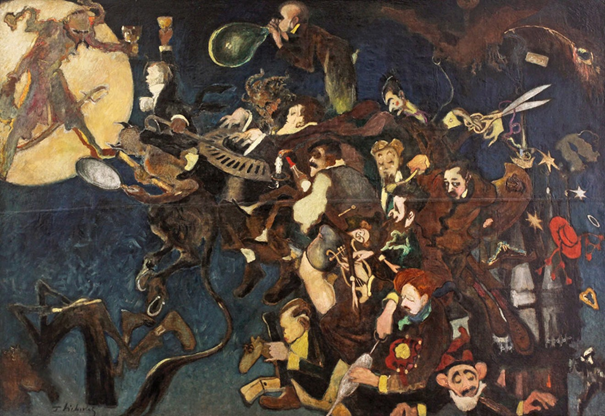
The word Kabaret means a small restaurant with a stage on which a cultural program is presented. The history of cabaret began in France at the end of the 19th century, later the idea of opening similar establishments migrated to Poland, where both the word itself and its embodiment gained the highest popularity among residents. Now cabarets still continue to delight visitors with their programs, although not on such a scale, like a hundred years ago.
Żal
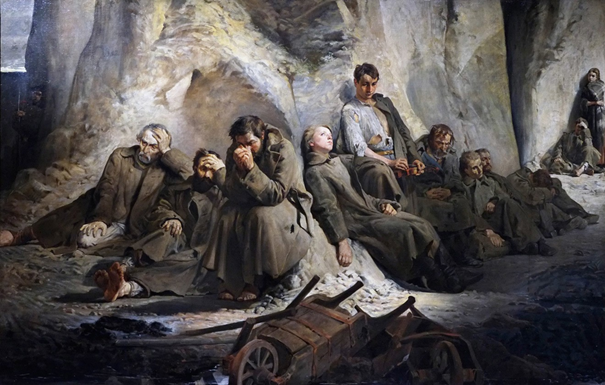
Similar in sound and meaning to the Russian word „zhal“, the Polish word has a wider range of feelings and emotions that can be expressed by pronouncing this word. By pronouncing Żal, a Pole can mean resentment, regret, sadness, and disappointment.
Kurwa
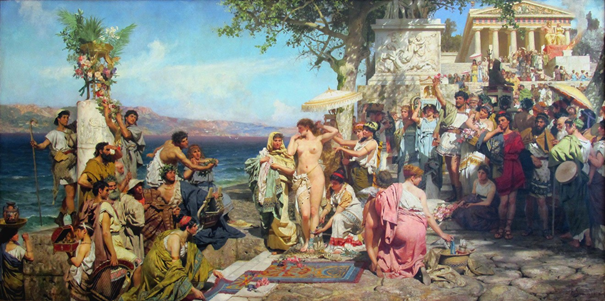
The famous Polish swear word literally means „woman of easy manners“. At the same time, the meaning that the Poles put into the pronunciation of the word depends very much on the emotional coloring. It is also used in case of disappointment, and vice versa, if a person is very happy about something.
Pan
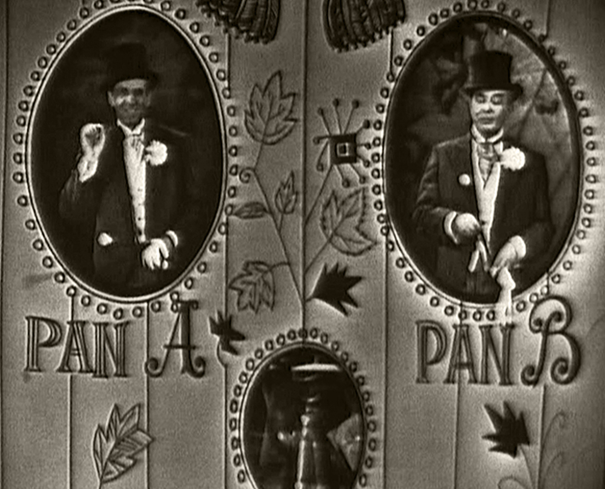
Popular in Eastern Europe, Poland in particular, the words Pan, Pani and the like are used in the sense of some address or pronoun. These words have become part of Polish etiquette, and they mean mainly „you“, „lord“ and „mistress“, „man or woman“. The element of communication has become so entrenched in the life of the Poles that it has even survived the struggle of the Polish Communists against the use of the words „pan“ and „pani“, which, in their opinion, are remnants of the bourgeois past.
Wigilia
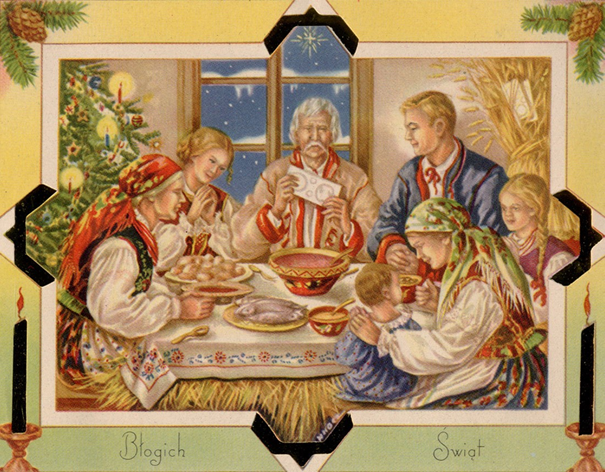
The meaning of the word vigilia depends on whether it is capitalized or lowercased. In the first case, Wigilia is Christmas Eve, December 24. In the second case, the word will mean the whole eve of some important event.
Solidarność
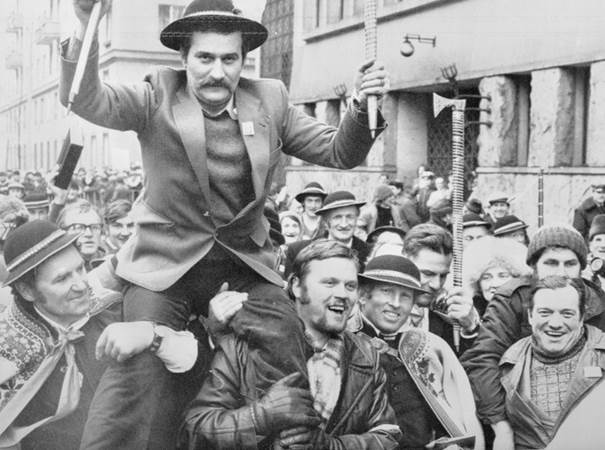
The word for „solidarity,“ which is identical in meaning to Russian, has an interesting history that describes the Poles as a single nation. It became the name of the trade union, whose members together achieved the end of the communist regime in Poland. Even now, „solidarity“ is a word often used by Polish protesters who are unhappy with the state of affairs in the country.
Załatwić
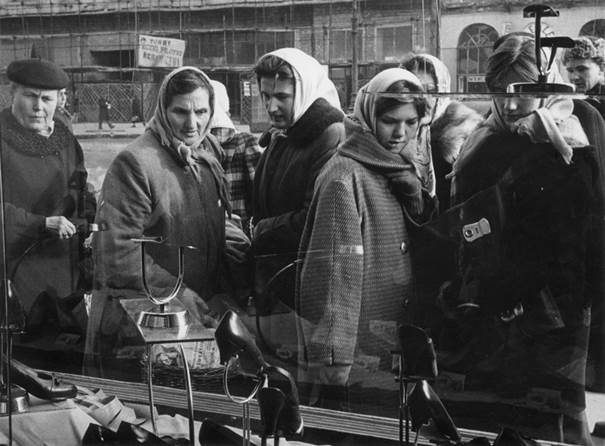
„Fix“ has many meanings, both negative and positive: „to arrange by acquaintance“, „to regulate“, „to get something without much effort“. The Soviet history of Poland and the periodic difficulties in obtaining food and basic necessities rooted in the inhabitants of the country Załatwić, which then meant „to get something using connections“, which now means „to get tickets to the theater“, „to agree to go to the clinic without queuing“.
Cholera
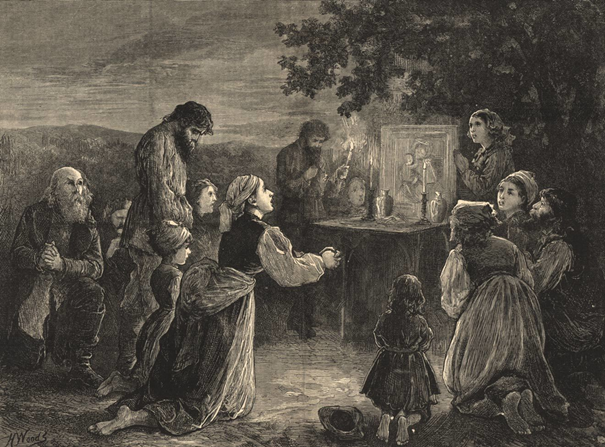
Another famous Polish swear word, derived from the name of the disease, has a lot of figurative meanings. By saying „cholera!“, a resident of Poland can express both dissatisfaction with the current situation and call the enemy the same word. The word becomes a part of fixed expressions, catchphrases, helping the Pole not to spend a lot of time choosing the right word.